Two Factories, One Standard
How do two factories on opposite sides of the South China Sea make the same hat for the same client without one becoming the 'B-team'? A year after opening Phnom Penh — what we kept identical, and what we deliberately let diverge.
In 2025, we opened our second hat factory in Phnom Penh, Cambodia. The decision had been in the works for several years, but the question we kept coming back to was simple and harder to answer than it looked: how do facilities on opposite sides of the South China Sea make the same hat for the same client without one becoming the "B-team"? A year in, we have a working answer. It starts with what we kept the same — and what we deliberately let diverge.
What Stays Identical
The tech pack is identical. Material specs are identical. The QC tolerance ranges, the audit standards (BSCI, ISO 9001, ISO 14000, SGS, OEKO-TEX), and the way a defect is recorded and traced are identical. When a brand partner sends us an order that can run in either country, the deliverable they receive is, by spec, the same product. We worked through this carefully in late 2024 before the first Cambodia run — two teams sat across a table in Wenling for three weeks, section by section, mapping the QC manual into Khmer-language training material and reconciling small differences in how our older Chinese workshop and our newer Cambodian site would each interpret a stitching tolerance. The translation effort was harder than the technical alignment, and we finished it before the first sample left Phnom Penh.
What We Deliberately Let Diverge
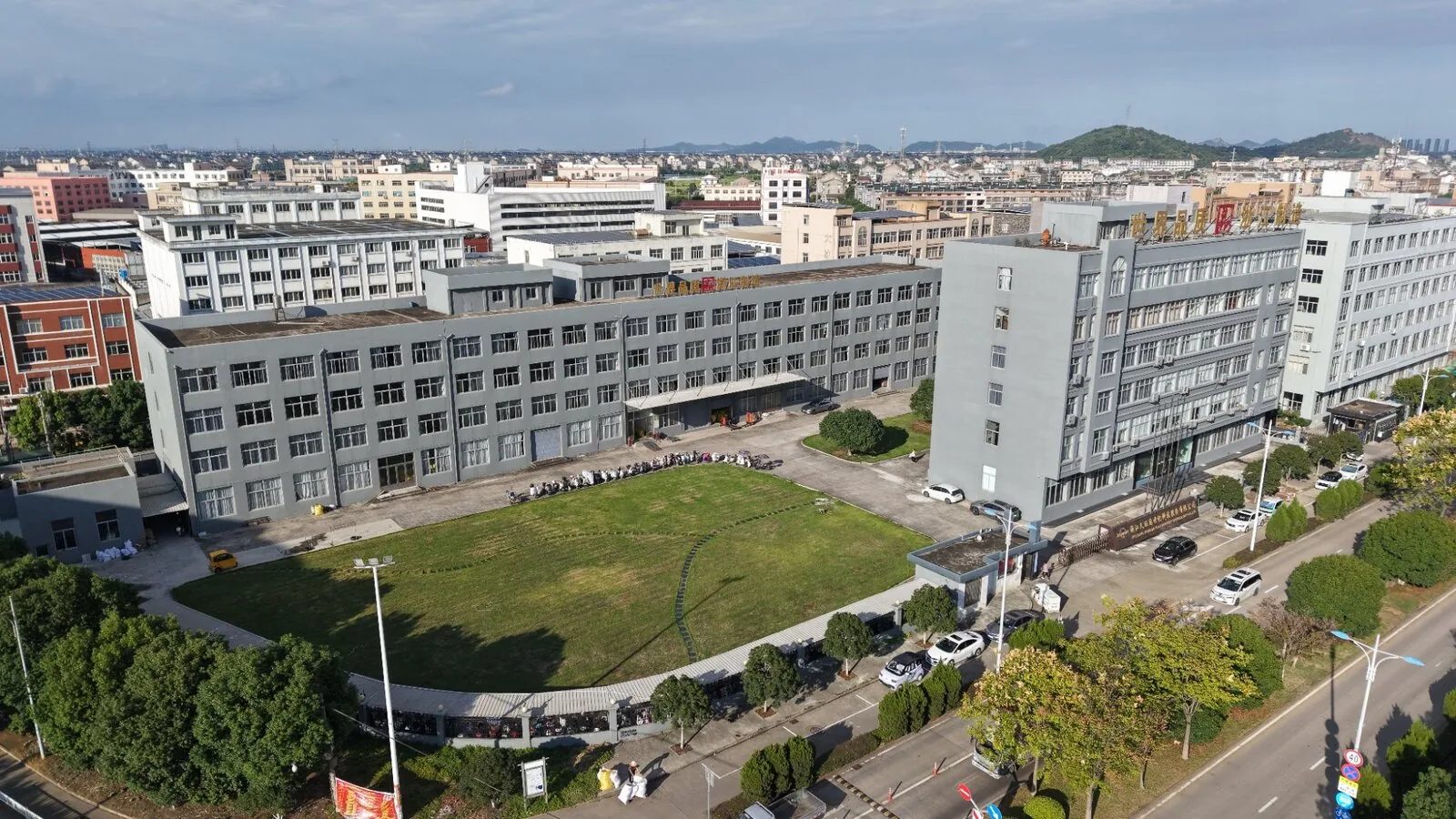
Capacity, scale, and what each plant is best at — those we let drift apart. Our original base in Wenling sits at 12,000 square meters with 350 people and roughly 3 million pieces of annual capacity. It is our oldest workshop — operating in its current location since the early years of the company — and the place where our most senior braiders work. Complex sample work, small-run heritage styles, technically demanding orders for clients like Issey Miyake who need a particular hand-feel — these stay in China.
Phnom Penh covers 8,000 square meters, employs 500 people, and runs four production lines. Annual capacity is around 5 million pieces. It is built for volume programs — the kind of repeat orders that ship to T.J.Maxx, Costco, and Walmart in stable, predictable runs. Newer machines, larger footprint, faster throughput per station. Together, that is about 8 million pieces a year across both bases, with each one playing to its strength rather than competing for the same orders.
Why a Second Base Instead of a Bigger One
We considered expanding Wenling. We considered replacing it. We did neither. The trade dynamics that have pushed many of our brand partners toward dual-sourcing — tariffs, freight risk, ESG sourcing rules — also push us. A second country base means buyers can plan a season knowing one location can absorb a shock to the other. In our trade, redundancy is no longer a luxury; it is a contractual expectation from large retail clients.
A Year of Running Both
The hardest part was not capital or logistics. It was the standard. Holding the line on QC across distinct cultures, languages, and working assumptions is daily duty — not a project that finishes. We made progress in year one by being slow about it: pairing senior staff between locations, running cross-audits, refusing to ship the first containers from Phnom Penh until they cleared the same checks the Wenling workshop has been clearing for decades. The math today is straightforward. The standard is one. The reasons for two are not.