Wheat Straw Hat Manufacturer: From Northern Fields to Wenling
How harvest timing, sun-curing, and grading turn a byproduct into a wheat straw hat manufacturer's most reliable seasonal input — traced from northern China to Wenling.
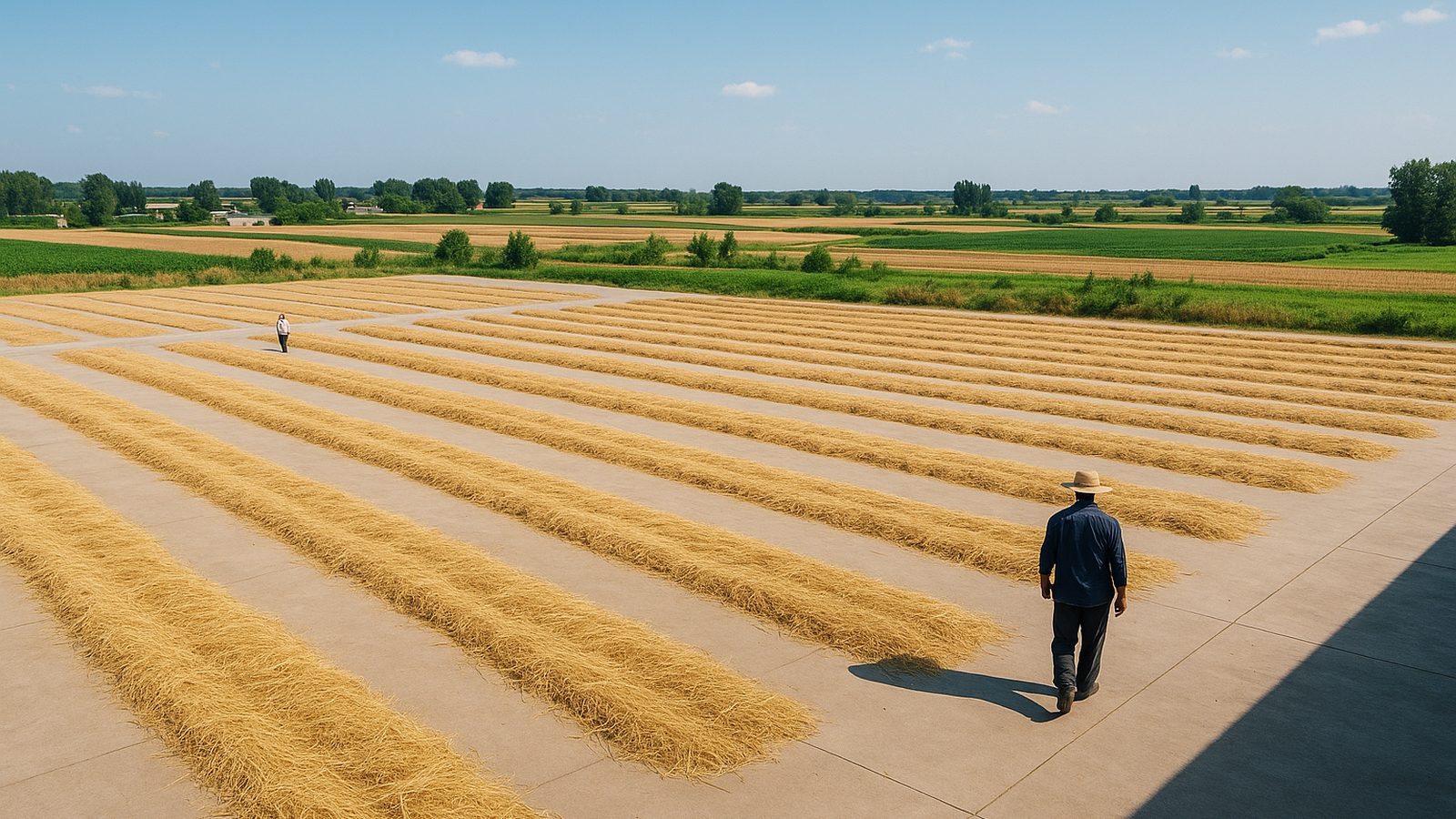
Every June, winter wheat is harvested across the growing regions of northern China. For most farmers, the straw left behind is agricultural waste. For us — as a wheat straw hat manufacturer working with this material since 1987 — it is the raw input of one of our most reliable seasonal lines. The gap between field residue and a finished wheat straw hat brim is wider than it looks, and the steps in between are where quality is made or lost.
Why Does Harvest Timing Matter for Wheat Straw Hats?
The window for collecting wheat straw suitable for hat-making is short. Stalks harvested too early — before the grain is fully ripe — retain moisture unevenly and tend to split or discolor after plaiting. Culms left too long in the field become brittle and lose the flexibility needed for tight, even work. Our sourcing network monitors crop calendars in the main producing regions, and collection follows within days of the combine pass. The difference of a week changes the material grade significantly, which is why we treat harvest timing as a quality variable rather than a logistics footnote.
How Sun-Curing Transforms Raw Stalks into a Stable Wheat Straw Hat Material
After collection, the stalks are spread in open yards and sun-dried for several days. This is not a passive step. Natural sun-curing gradually reduces moisture content while preserving the fibrous structure of each stalk — a balance that mechanical drying disrupts. The result: sun-cured stems that hold their color (the characteristic pale gold of wheat straw), resists mold during transit, and remains supple enough to plait without cracking. We've verified over decades that rushing this stage produces plaited strips that look acceptable on the spool but show uneven shrinkage once shaped into a hat. Our natural materials collection includes 17 sourced materials, and wheat straw is one of the few where we've found no shortcut in the preparation stage.
What Does Braid Grading Actually Mean for a Wheat Straw Hat Manufacturer?
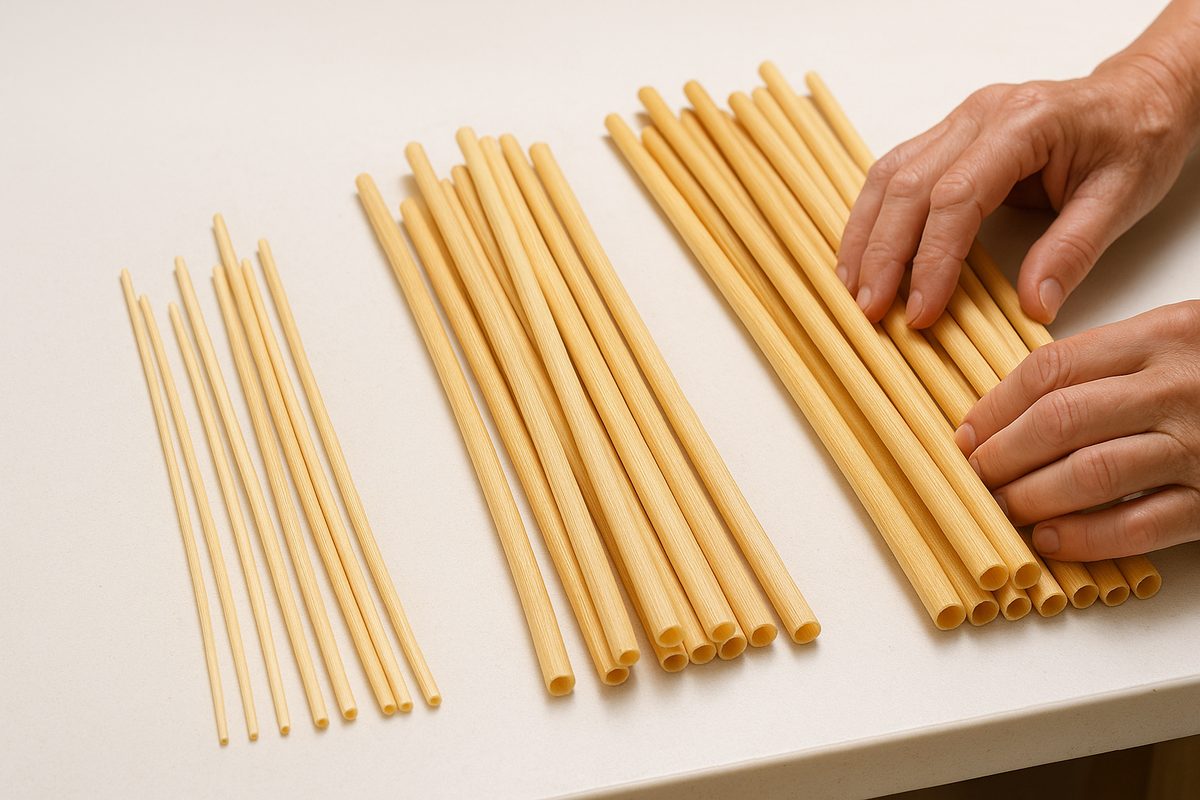
Once dried, stalks are sorted by diameter and length before plaiting begins. This is the step most buyers never see, but it is where consistency is established. A plaited strip made from unsorted raw material will show visible variation in strand thickness across a single hat body — fine to the touch but readable under retail lighting. Our grading separates the crop into tiers: the straightest, most uniform stalks go to finer widths used in dress and resort styles; broader, slightly heavier culms go to wider utility and packable silhouettes. Each tier produces a different character in the finished hat, and we specify tier in our order documentation so that a client reordering in season 3 gets material consistent with seasons 1 and 2. The full lineup and available silhouettes are detailed in our straw hat collection and the Jiuwang sourcing catalog.
What the Supply Chain Looks Like After 35 Years
We established our first wheat straw supply relationships in 1990 when the company registered and began exporting to Japan and the United States. Those ties with collecting cooperatives in northern China have compounded over the decades. Suppliers who have worked with us for multiple seasons understand our grading standards without re-specification each year, and they flag unusual crop years — late frosts, early rains — before we've asked. That kind of pre-emptive communication is not something you get from a spot-market buy. It is the accumulated result of consistent annual volume, shared quality standards, and supplier relationships treated as long-term. For buyers sourcing wheat straw hats at scale, the supply chain behind the raw material matters as much as the spec on the tech pack.