Where Our Raffia Comes From: A Raffia Hat Manufacturer's Madagascar Notes
How a raffia hat manufacturer in Wenling sources fiber from cooperatives in eastern Madagascar — and why working a short supply chain shapes how we price every season.
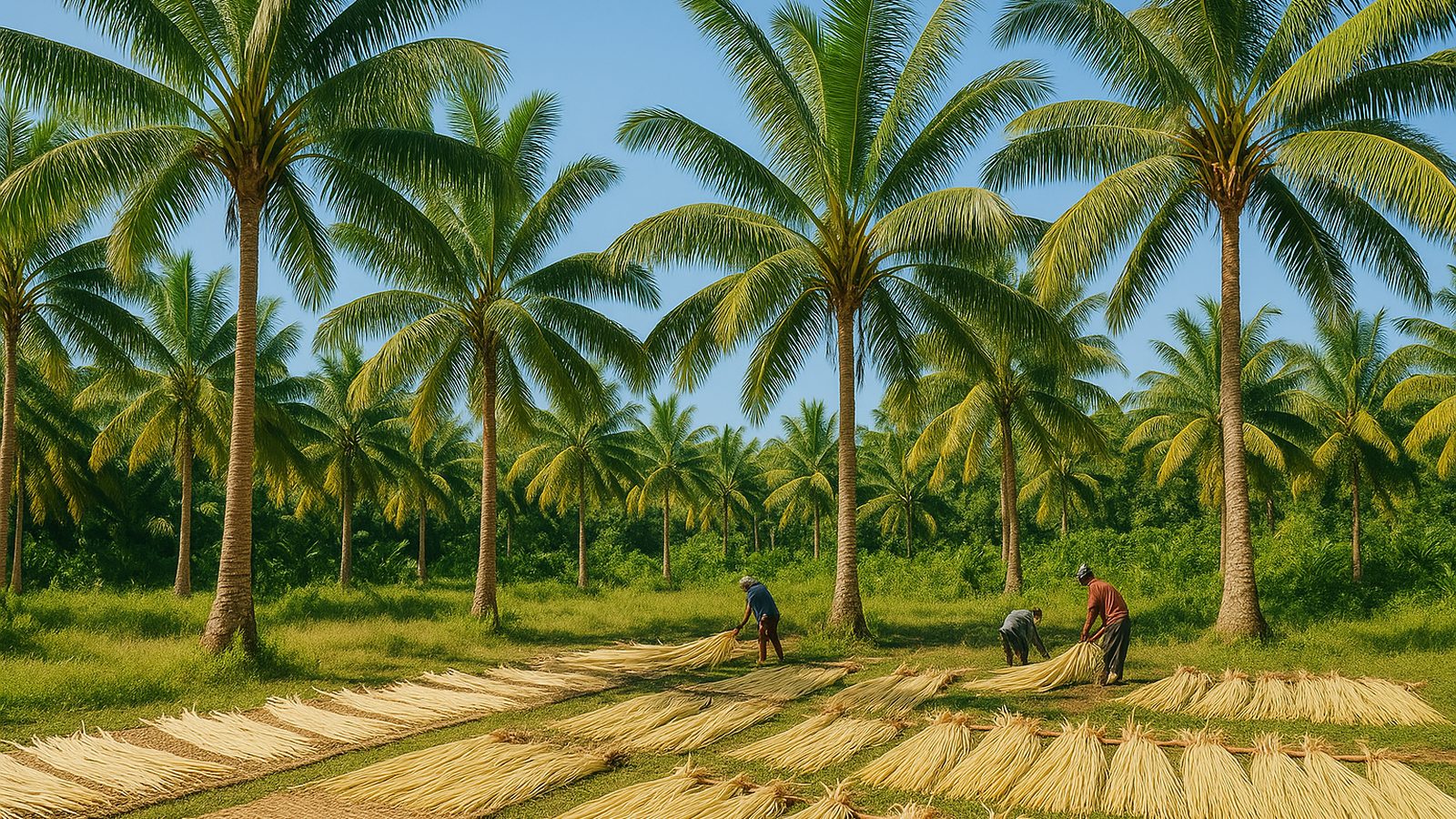
Our sourcing team spent two weeks in eastern Madagascar this season with the cooperatives that supply our raffia. We are a raffia hat manufacturer because of where the palm grows — and because of who has been growing it there for longer than we have been in this business.
Why a Raffia Hat Manufacturer Starts in Eastern Madagascar
The raffia palm grows in the wet, lowland forests of Madagascar's eastern coast. It grows in other places too — small populations in central Africa and a few Pacific islands — but the eastern Madagascar belt is where the trade is. Material from the young leaves is the input for almost every raffia hat manufacturer of any scale, including us. The leaf strands are harvested by hand, dried in the sun, sorted by length and grade, then baled for export. None of this can be hurried. The palm grows on its own clock, and the trade has organized itself around that clock for a long time.
How We Work With Cooperatives, Not Brokers
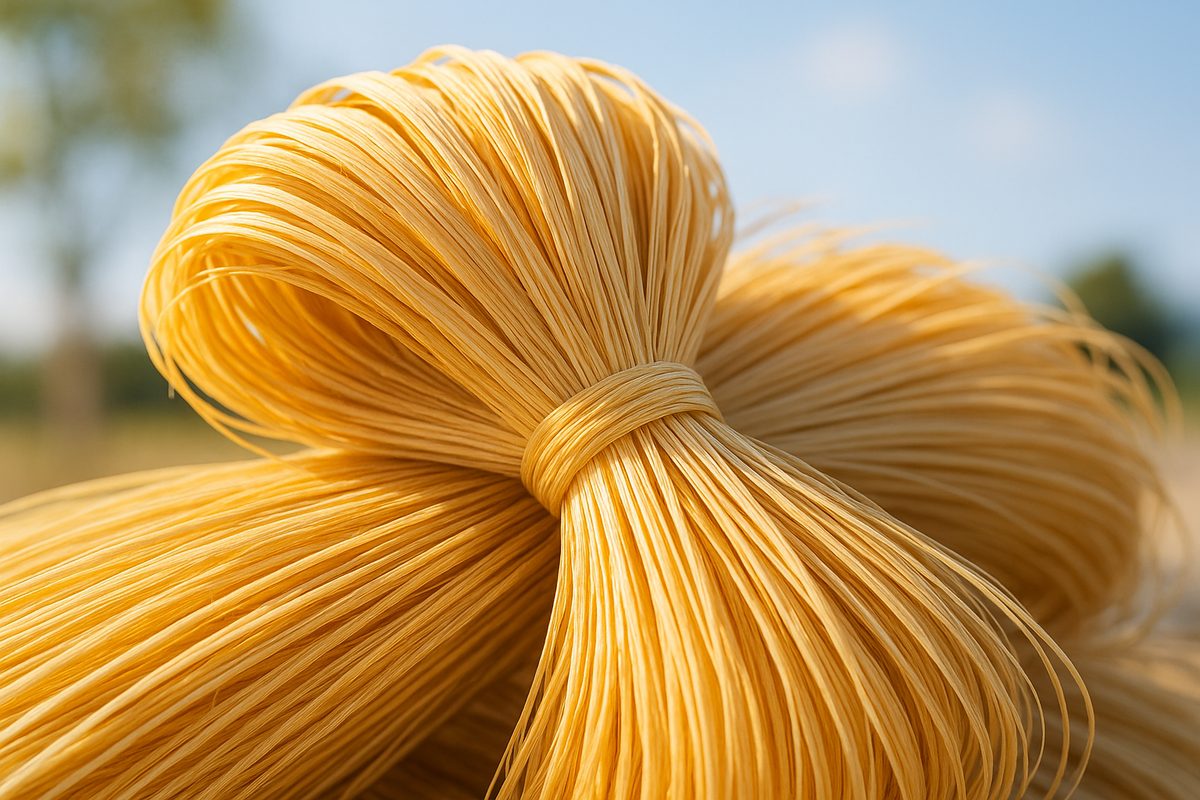
Most of the raffia traded out of Madagascar moves through brokers. We chose to work with cooperatives instead — small village-scale organizations that aggregate harvest from member families, do the grading and sun-drying themselves, and sell at a posted floor price. The trade-off is more relationship work on our end. We visit. We commit to volume a season ahead. We do not chase the cheapest stock in any given month. We have been buying raffia at this scale since 1995, when we shipped our first UPF50+ straw line, and the relationships go back that far. In exchange we get traceability, more consistent grading, and the kind of supply continuity that a raffia hat manufacturer needs when a retail partner places a single-season order in the tens of thousands of pieces.
What Happens Between Madagascar and Our Wenling Floor
The fiber arrives in our natural fiber library in Wenling as raw bales. We grade again on receipt, then split the run two ways. The longer, finer fiber goes to our hat braiding cells — the same cells that produce the straw hat collection for our retail and design clients. The shorter grades and offcuts feed our braided bag program, which means very little of the Madagascar harvest leaves our workshop as waste. That second-order use is part of the math behind sourcing the way we do. It is also why we can run raffia at the volume we do without pressuring the cooperatives to harvest faster than the palm can grow.
What a Short Supply Chain Means for a Raffia Hat Manufacturer
Three things stand out from the seasons we have been doing this. First, weather: a difficult rainy season in eastern Madagascar shows up in our pricing six months later, and there is no input substitution that fixes it. Second, language: the cooperative relationships are slower to build than a broker relationship, and they break harder if they break. Third, sequencing: because raffia is a natural fiber on a real growing cycle, a raffia hat manufacturer who wants reliable supply has to commit upstream before they confirm orders downstream. That sequencing — buy first, sell second — is unfamiliar to a lot of brand partners and is one of the things we end up explaining the most. It is also one of the reasons our raffia line is steady when others run short.